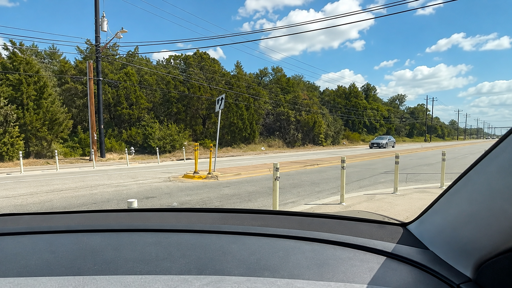
Take a look at this. A Tesla Robotaxi in Austin pauses, seems to reconsider a right-hand turn through some bollards, and then decides: I’m just gonna send it. Tesla Robotaxi Rams through several Bollards and keeps going. by u/bladerskb in SelfDrivingCars “You Can’t Go This Way! Don’t Do That! Holy Cow!” The vehicle is operating […]
I mean, I guess “impeccable safety record” is in the eye of the beholder?
I appreciate the clarification, but I doubt there will be a way for both scenarios to exist simultaneously; that is to say, I think any sufficiently common “exception” would result in self driving cars not being statistically safer than human drivers.
It would have to be something sufficiently obscure, like, I dunno, going down a eastern-facing switchback road in the fog at sunrise. (Maybe too obscure.)
That being said, I remember reading an article or maybe watching a video about the challenges for making a self driving car feel safer for people. Stuff like turn speed on main roads vs in residential neighborhoods. The forces being felt are exactly the same, and the safety is exactly the same, but (apparently) people feel like one is acceptable but the other is dangerous.
If your ultimate question was along these lines, then yes, I agree there is more than just statistics that will be necessary before people are comfortable with mass adoption of self driving cars. And not for nothing but that tool Musk isn’t helping anything by putting out “self driving” cars before they’re actually ready.
Without judging the effectiveness, Tesla has made great progress on this. If you read through recent FSD reviews you’ll see many claim things like “the car drives more confidently”


I appreciate the clarification, but I doubt there will be a way for both scenarios to exist simultaneously; that is to say, I think any sufficiently common “exception” would result in self driving cars not being statistically safer than human drivers.
It would have to be something sufficiently obscure, like, I dunno, going down a eastern-facing switchback road in the fog at sunrise. (Maybe too obscure.)
That being said, I remember reading an article or maybe watching a video about the challenges for making a self driving car feel safer for people. Stuff like turn speed on main roads vs in residential neighborhoods. The forces being felt are exactly the same, and the safety is exactly the same, but (apparently) people feel like one is acceptable but the other is dangerous.
If your ultimate question was along these lines, then yes, I agree there is more than just statistics that will be necessary before people are comfortable with mass adoption of self driving cars. And not for nothing but that tool Musk isn’t helping anything by putting out “self driving” cars before they’re actually ready.
Without judging the effectiveness, Tesla has made great progress on this. If you read through recent FSD reviews you’ll see many claim things like “the car drives more confidently”